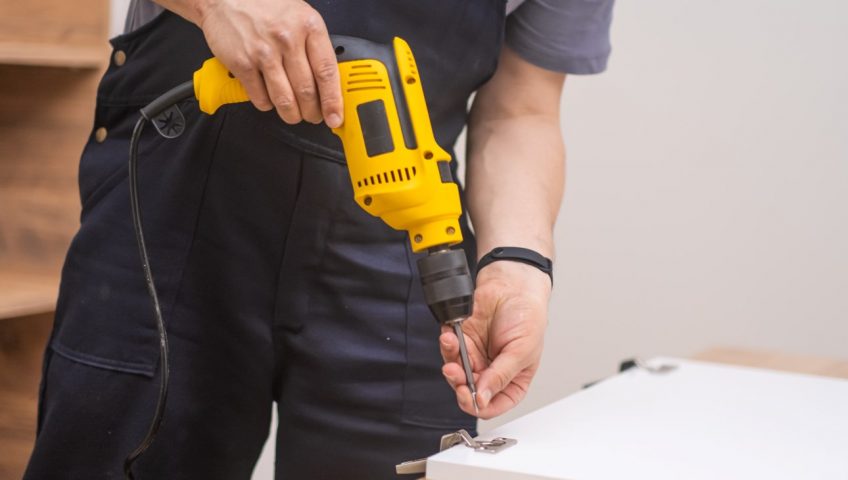
A Simple 5-Step Guide On Installing Sliding Doors

How to Install Sliding Doors In 5 Simple Steps

Sliding doors have gained significant popularity due to their space-saving design, modern aesthetics and energy-efficient features. With increasing demand for commercial spaces, sliding floors are now widely used in retail units, offices, healthcare facilities and other commercial settings, particularly where accessibility and space optimisation are critical. Sliding doors open and close by sliding sideways, rather …

Fire exit door with push bar and green emergency exit sign on glass door in a commercial building

What Fire Door Maintenance Responsibilities Do Building Owners Often Miss?

At A Glance Fire door maintenance is a legal requirement under UK regulations, yet many commercial properties fail compliance checks due to inconsistent inspections, overlooked wear, and poor documentation. Getting your doors checked regularly, conducting early repairs, and maintaining clear records are essential to keep your fire doors performing correctly and meeting standards throughout their …

Man opening a retail entrance doorway

5 Signs Your Retail Shop’s Automatic Doors May Need an Upgrade in 2026

At a Glance Retail entrances have become a strategic priority in 2026 due to customer expectations, rising energy costs and stricter compliance requirements. This article explains 5 clear signs that shop front automatic doors may need upgrading, from worn appearance and energy loss to unreliable performance, frequent repairs and outdated automation, and outlines appropriate maintenance …

What’s the Difference Between Sliding and Swing Doors?

At a Glance Sliding and swing doors suit different commercial needs depending on space, accessibility, security, and maintenance requirements. Sliding doors save floor space, improve visibility, and support accessibility, but require track upkeep. Swing doors offer durability, security, and wide openings, but need clearance to operate. The most suitable option depends on building layout, usage …

An engineer conducting emergency door repairs.

Why Emergency Door Repairs Cost More Than Planned Maintenance

At a Glance Emergency door repairs cost more because they involve urgent labour, limited repair options, compliance pressure, and hidden business disruption. Minor issues may escalate when unchecked, leading to recurring failures and unpredictable spending. Planned door maintenance reduces downtime, controls costs, supports safety compliance, and prevents avoidable emergencies through regular inspection and early intervention. …

A Complete Checklist for Buying Commercial Doors in 2026

At a Glance By 2026, commercial doors must meet higher expectations for energy efficiency, fire safety, security, and lifecycle value. This article outlines how correct specification, materials, installation, and maintenance determine compliance and performance. We also discuss how poorly chosen or inadequately maintained doors increase energy costs, risk non-compliance, and reduce long-term building resilience. Are …